
When we think of the American Revolution, it’s easy to picture soldiers on the battlefield. But across South Jersey, the war also unfolded in churches, meeting houses, taverns, and family homes. As armies marched through the region, everyday buildings became places of occupation, refuge, and recovery, forever tying local communities to America’s fight for independence.
As the nation commemorates America 250, these historic sites offer visitors a chance to experience the Revolution through the places where ordinary people lived, worshipped, and endured the realities of war.
Haddonfield: A Town Changed by Occupation
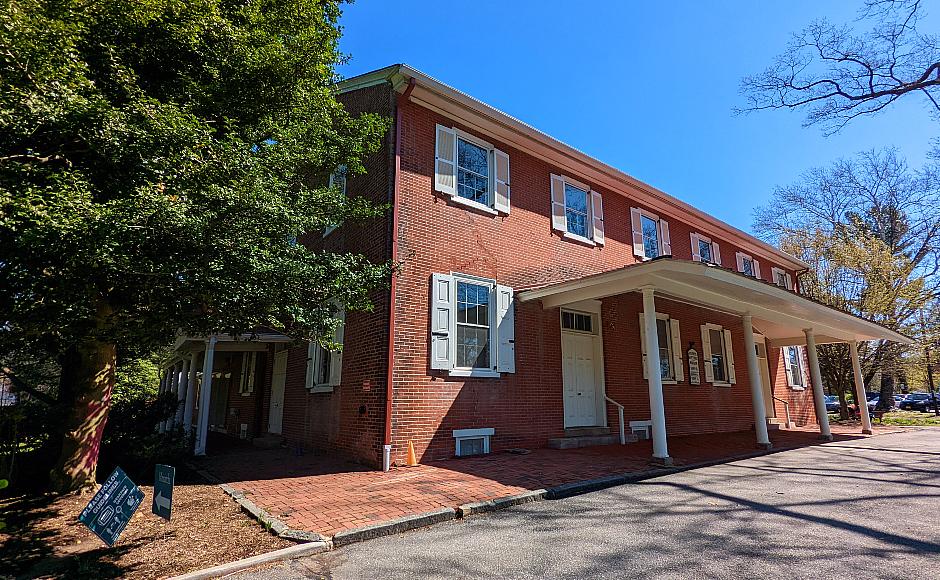
In 1777, Haddonfield found itself under British occupation as troops moved through South Jersey during the Philadelphia campaign. The historic Haddonfield Friends Meeting House stood at the center of a community transformed by war.
While there is no documented evidence that the meeting house served as a field hospital, it remains an important reminder of how civilian spaces became part of the military landscape during the Revolution. Walking Haddonfield’s historic district today offers visitors a glimpse into one of New Jersey’s oldest communities and its connection to the nation’s founding.
Swedesboro’s Colonial Legacy
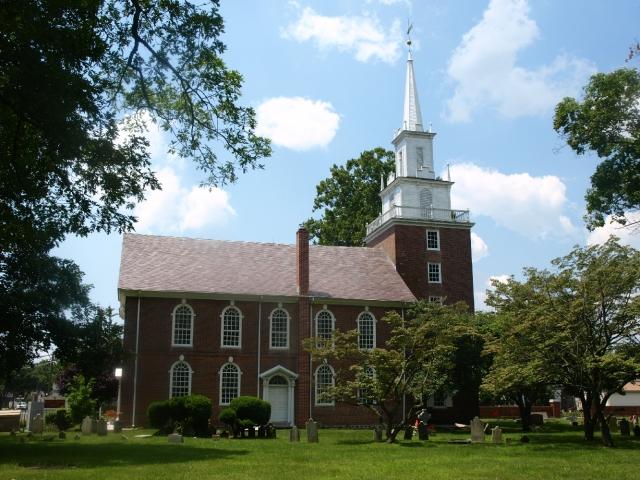
Established in 1703, Trinity Old Swedes Church has witnessed more than three centuries of South Jersey history.
During the Revolutionary era, Swedesboro sat along important travel routes connecting communities throughout the region. Historical records and local tradition place soldiers in and around the village during the war, reflecting how even small colonial towns felt the impact of military campaigns. Although there is no definitive evidence that the church itself served as a hospital, it remains one of South Jersey’s most enduring Revolutionary-era landmarks.
A Home That Became a Hospital
Just a short drive away, one historic site tells a different story.
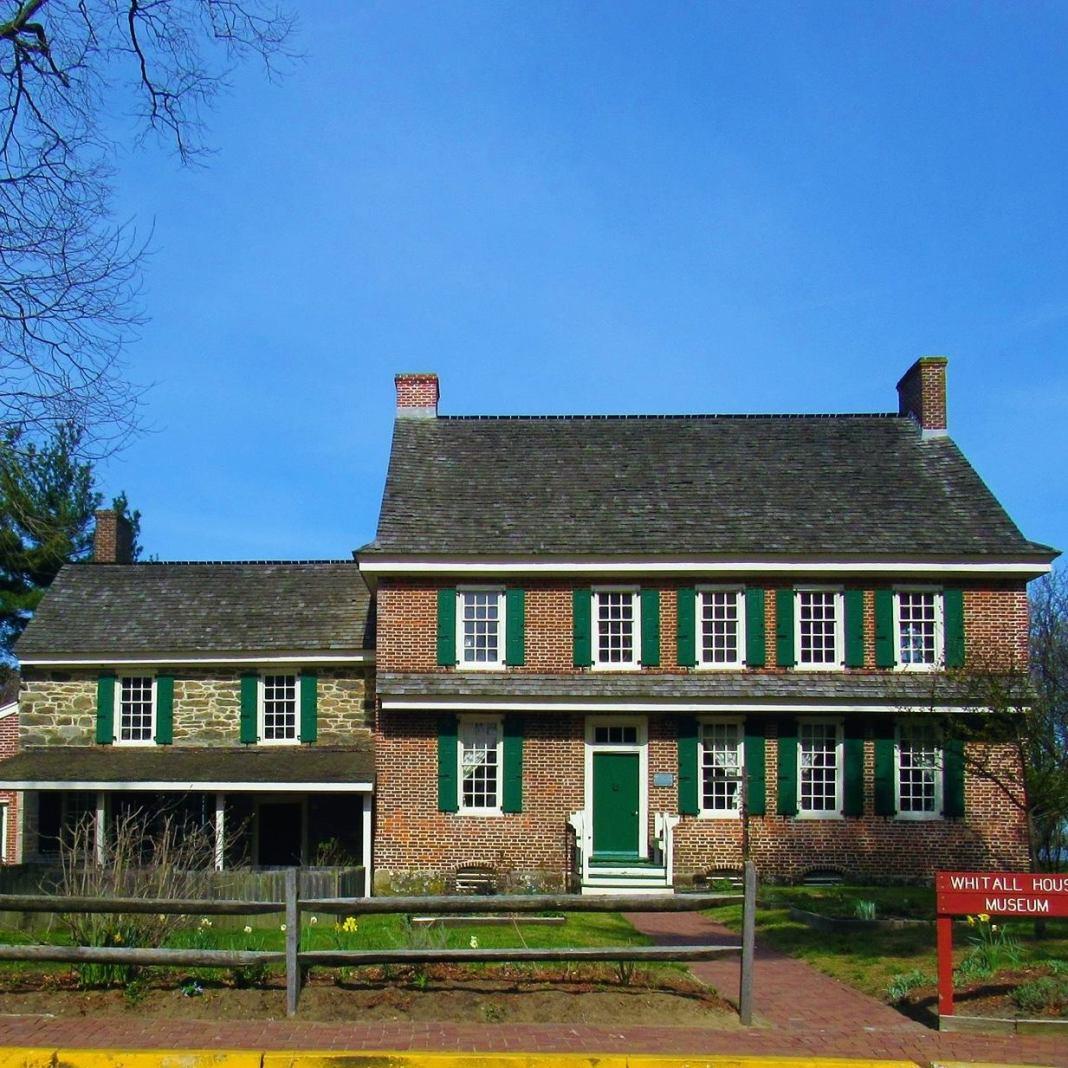
Following the Battle of Red Bank (also known as the Battle of Fort Mercer), the Whitall House became a temporary hospital where wounded soldiers received treatment. Owned by Quaker resident Ann Whitall and her family, the house stood only yards from the battlefield, placing the family at the center of one of New Jersey’s most significant Revolutionary War engagements.
Today, visitors can tour the preserved home and explore Red Bank Battlefield, gaining insight into both the military conflict and the experiences of the civilians who lived through it.
Preserving South Jersey’s Revolutionary Story
Not every historic building witnessed a famous battle, and not every church became a hospital. Yet together, these sites tell the broader story of a region shaped by war. Churches remained centers of community, meeting houses stood through occupation, and nearby homes sometimes became places of healing when fighting reached South Jersey.
As America marks its 250th anniversary, visiting these historic places offers more than a lesson in military history. They reveal how ordinary communities adapted during extraordinary times—and how the legacy of the Revolution can still be experienced throughout South Jersey today.
Sources
- Crossroads of the American Revolution National Heritage Area – https://revolutionarynj.org/
- New Jersey Historical Commission – https://history.nj.gov/
- Haddonfield Friends Meeting – History: https://haddonfieldfriendsmeeting.org/history/
- Trinity Old Swedes Church – History: https://trinityswedesboro.org/history
- Gloucester County Parks – Red Bank Battlefield & Whitall House: https://www.gloucestercountynj.gov/239/Red-Bank-Battlefield-Park