
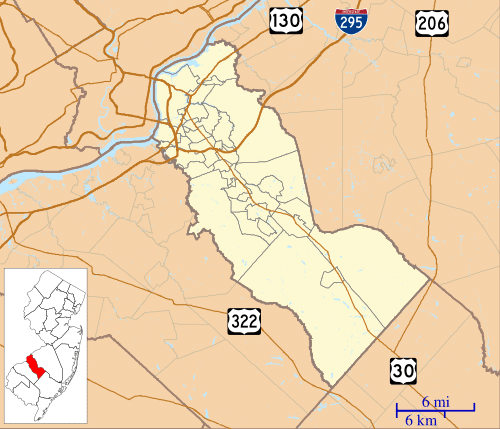
In the tumultuous spring of 1777, as the Revolutionary War raged across the young United States, a remarkable moment in New Jersey history quietly unfolded in a tavern along Kings Highway in what is today Camden County. Far from the political drama of Philadelphia and the battlefield clashes at Trenton and Princeton, the New Jersey Legislature found refuge in a humble yet pivotal building, the Indian King Tavern in Haddonfield — and there, in May 1777, the body adopted the official Great Seal of the State of New Jersey.(Wikipedia)
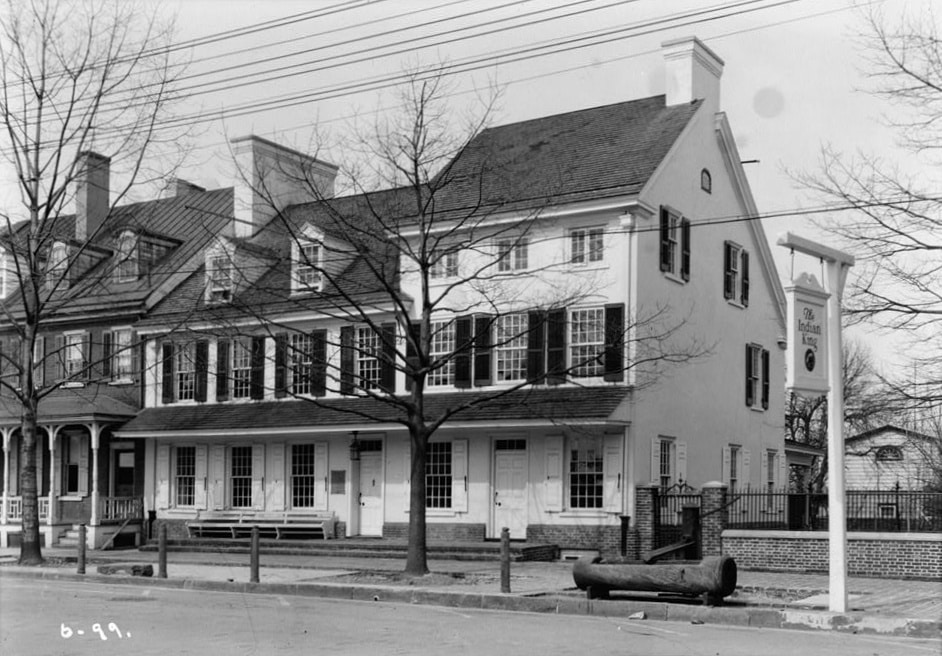
Long before it became a museum, the Indian King Tavern was one of the most prominent public houses in colonial South Jersey, built in 1750 and serving as a social, commercial, and political hub for local residents and travelers alike. Taverns in eighteenth‑century America were more than watering holes: they were central gathering places where news was exchanged, debates were held, and community business was conducted — which made the Indian King an ideal setting when New Jersey’s lawmakers needed a safe space to govern.(Wikipedia)
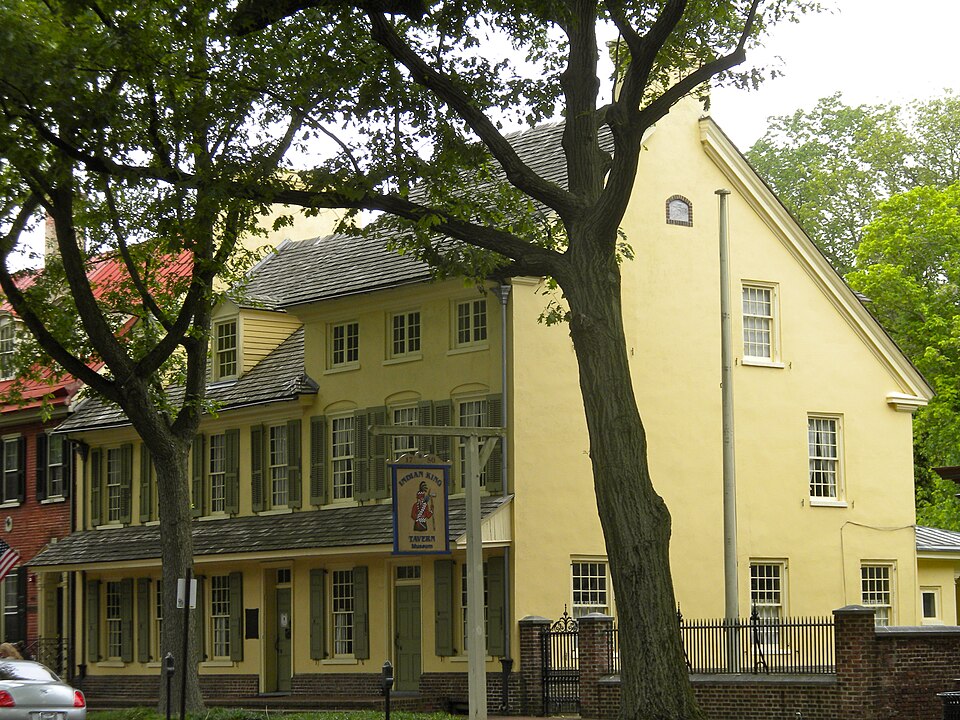
By early 1777, pressure from advancing British and Hessian forces had pushed New Jersey’s legislators out of Trenton and Princeton. Seeking a secure location, the joint session of the General Assembly and Legislative Council convened in Haddonfield’s tavern, where they continued their work on governance for the new state. At this location, legislators formally recorded the Declaration of Independence in their minutes for New Jersey, affirming the colony’s new status as a free and independent state.(American Battlefield Trust)
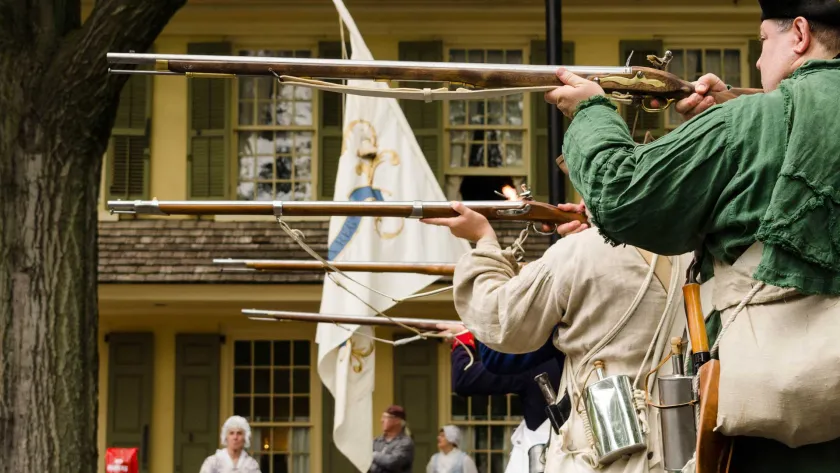 Re-enactors raise their weapons in front of the Indian King Tavern.
It was during these sessions, in May 1777, that the legislature presented and adopted the Great Seal of the State of New Jersey — the emblem that would represent the authority of New Jersey’s government on official documents and proclamations. The seal itself had been designed under the influence of Swiss‑born artist Pierre Eugene du Simitiere, who played a role in its composition before its presentation to the legislature.(Lawyers Diary and Manual)
The adoption of the seal was more than bureaucratic formality:
It was a declaration of self‑determination. With the seal and the redefinition of public documents to reflect “state” rather than “colony,” the legislature asserted New Jersey’s identity in the revolutionary era and helped solidify its role within the emerging United States.(NJ.gov)
Today, the Indian King Tavern Museum stands preserved at 233 Kings Highway East in Haddonfield as a living link to that chapter of history. It serves as a place of education and reflection, reminding visitors that even in times of upheaval, decisions made far from the spotlight can have enduring impact on civic life.(Wikipedia)
Sources
- Indian King Tavern (Wikipedia) — site of the 1777 meeting where the seal was adopted.(Wikipedia)
- Haddonfield historical accounts confirming meetings and seal adoption.(Historical Society of Haddonfield
- Indian King Tavern (American Battlefield Trust) — details on legislative actions in 1777.(American Battlefield Trust
- NJ Legislative Manual — how the seal design and adoption took place.(Lawyers Diary and Manual)
- NJDEP historic feature on the first state historic site.(NJ.gov)