
Long before New Jersey’s modern highways, King’s Highway connected many of South Jersey’s earliest communities. Running through towns including Salem, Swedesboro, Woodbury, and Haddonfield before continuing north, it served as one of colonial New Jersey’s principal transportation routes for travelers, merchants, government officials, and military forces.
Originally established during the colonial period as part of the larger King’s Highway linking the eastern colonies, the roadway became essential to everyday life—and later, to the American Revolution.
A Vital Military Corridor
When the Revolutionary War reached New Jersey, roads became as important as battlefields.
During the Philadelphia Campaign of 1777, British and Hessian forces moved through South Jersey toward Fort Mercer, while Continental soldiers, militia units, couriers, and supply wagons relied on the same network of established colonial roads to transport troops, provisions, and military intelligence throughout the region. King’s Highway formed one of the principal north-south routes connecting many of these communities.
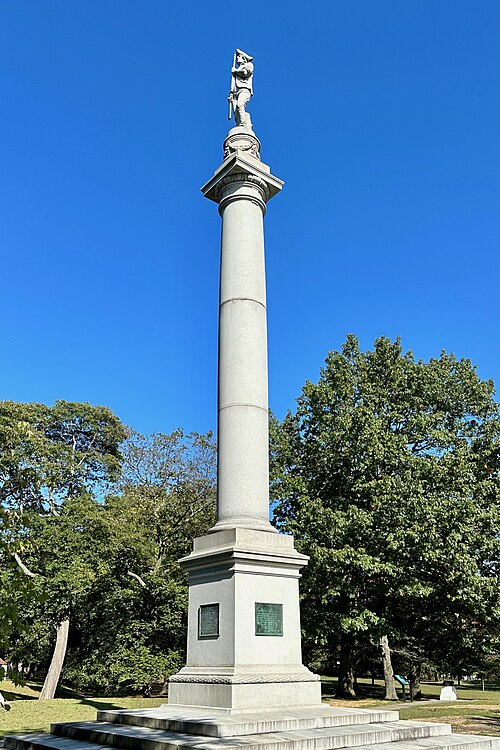
Although historians cannot always identify the precise road taken by every military unit, King’s Highway is widely recognized as one of the region’s most significant transportation corridors during the Revolutionary era.
More Than a Road
In the eighteenth century, roads served as the colonies’ communication network.
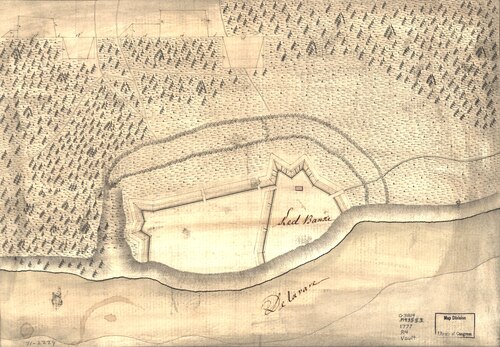
Military orders, newspapers, personal correspondence, and intelligence all traveled by horseback or wagon. Communities connected by King’s Highway could exchange information more quickly than isolated settlements, making the roadway valuable for both civilian life and military operations.
The importance of transportation corridors became especially clear during the campaigns surrounding Philadelphia, where control of roads and river crossings often influenced military strategy.
Walking Through History Today
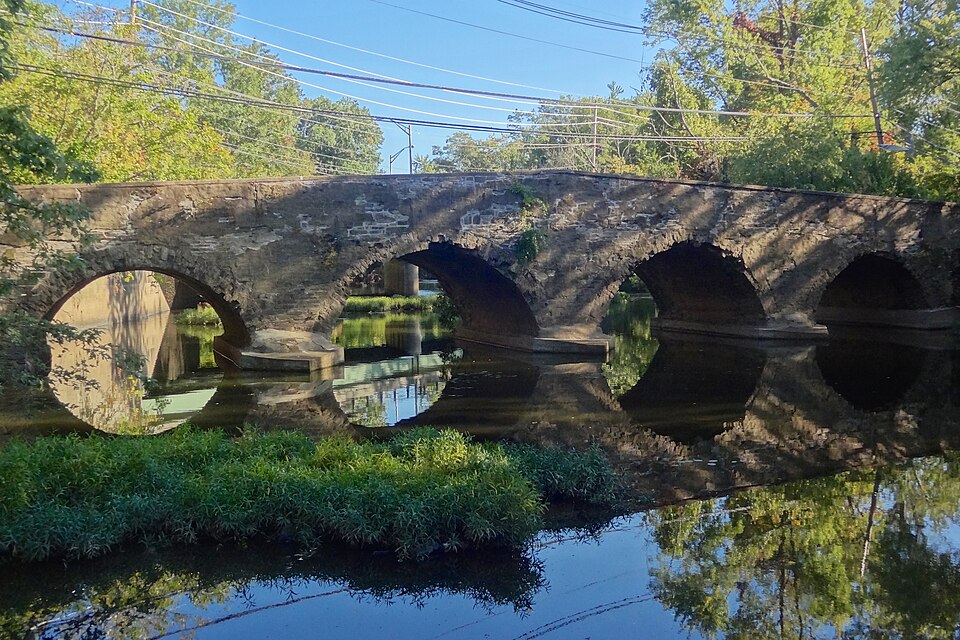
Many portions of historic King’s Highway still exist today, passing through some of South Jersey’s best-preserved historic communities.
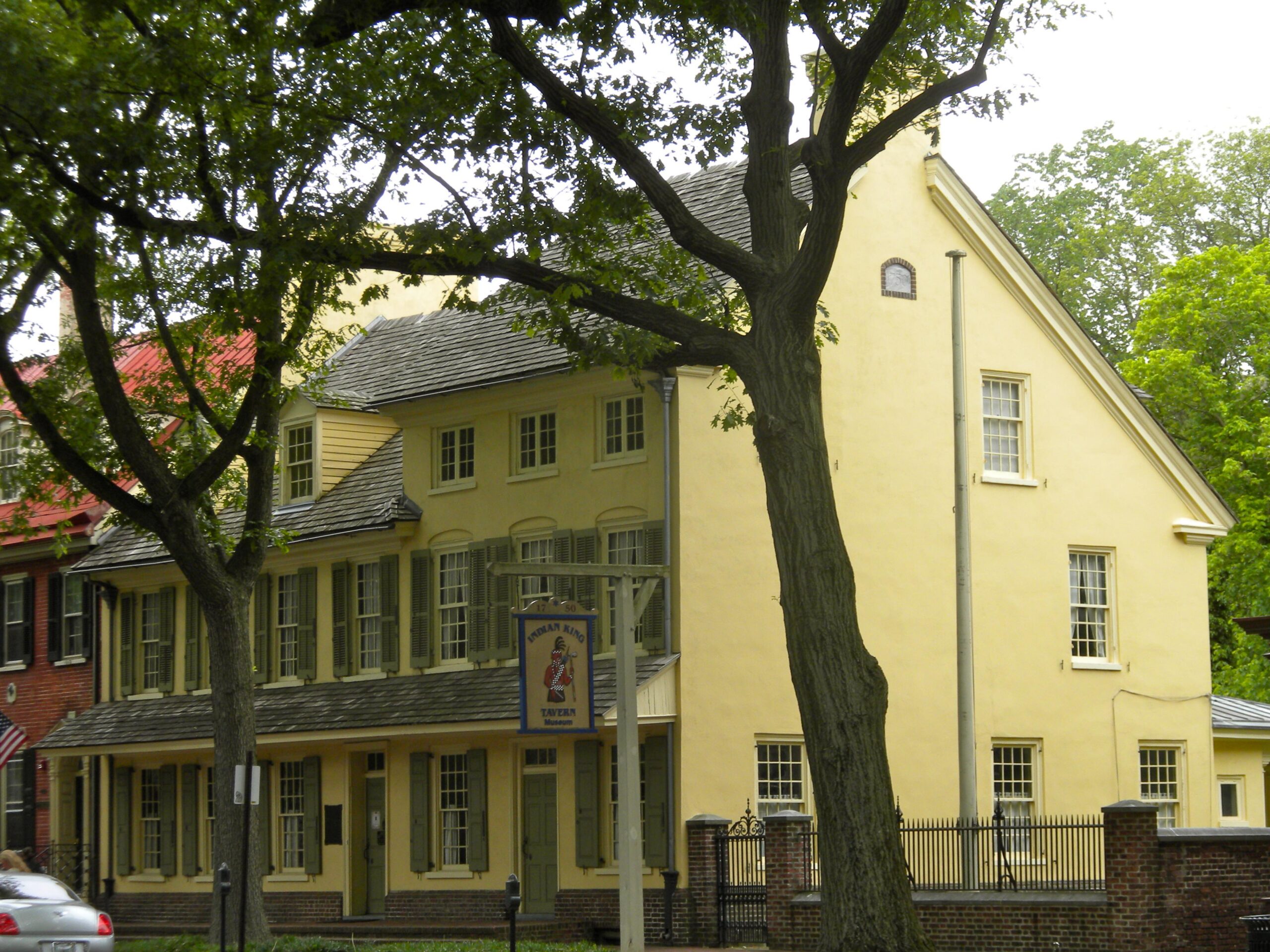
Visitors exploring Haddonfield can stroll along King’s Highway past centuries-old buildings, including the Indian King Tavern Museum, where New Jersey’s legislature met in 1777 after fleeing British-occupied Burlington. The tavern welcomed prominent Revolutionary figures, including Anthony Wayne, Marquis de Lafayette, and Casimir Pulaski, all of whom traveled along King’s Highway during the war.
Celebrating America’s 250th
As South Jersey commemorates America’s 250th anniversary, King’s Highway reminds us that history wasn’t made only where battles were fought. The roads connecting those battlefields carried the soldiers, supplies, messages, and ideas that helped sustain the Revolutionary cause.
Today, following King’s Highway offers visitors the chance to experience the same corridor that has connected South Jersey’s communities for more than three centuries—a living reminder that even ordinary roads can play an extraordinary role in history.
Sources
- Fort Mercer / Red Bank Battlefield history.
- Indian King Tavern Museum history.
- National Register documentation for the colonial King’s Highway.