
In the rolling hills along the Delaware River, Burlington City in New Jersey was more than a colonial settlement, it was one of the earliest Quaker strongholds in the Middle Colonies. Founded in 1677 by English Quakers seeking refuge from persecution, Burlington’s Friends (members of the Religious Society of Friends) helped shape the early civic and spiritual life of the region. (Wikipedia)
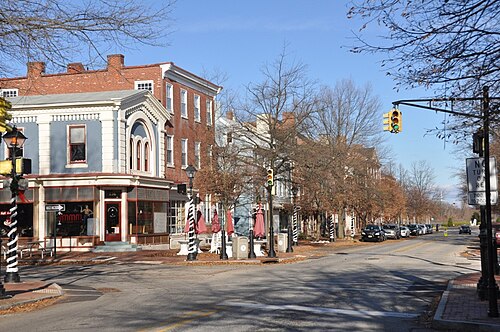 The High Street Historic District in Burlington
Yet by the time the struggle for American independence gathered momentum in the 1770s, this peace‑rooted community faced a profound dilemma: how to respond to the growing call for independence from Britain without betraying deeply held religious principles.
The Quaker Peace Testimony and Revolutionary Tension
Central to Quaker belief was the Peace Testimony—a conviction that violence was incompatible with the teachings of Jesus and that disputes should be settled by dialogue and nonviolent means. This conviction is a defining element of Quaker theology and life (Wikipedia)
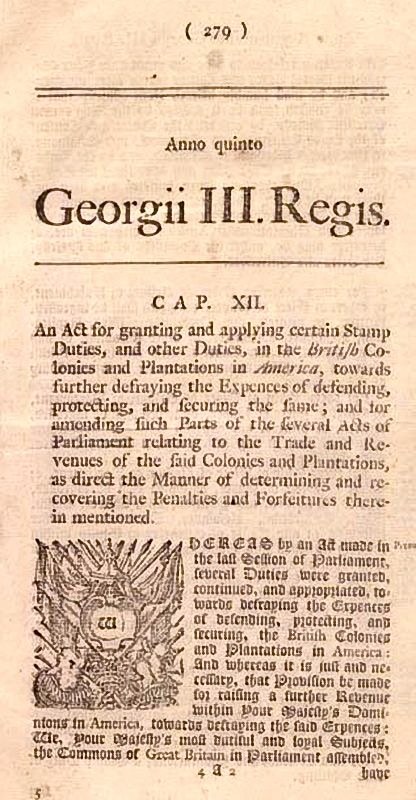 Many Quaker merchants nonviolently protested the 1765 Stamp Act through non-importation agreements.
When British colonial policies became increasingly oppressive, many Quakers initially sympathized with colonial grievances against taxation and the erosion of traditional liberties. However, as resistance turned toward outright rebellion and armed conflict, most Quakers drew a firm line: they refused to take up arms or participate in military activities. (Encyclopedia.com)
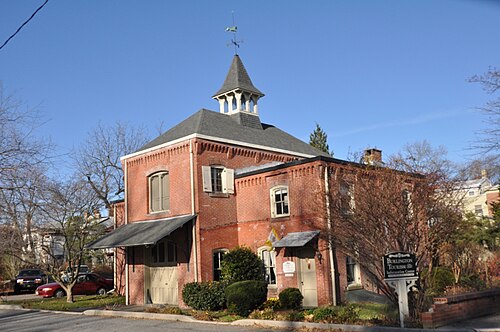
This historic carriage house now houses the local tourism office in Burlington.
The philosophical tension was real. On the one hand, Friends in Burlington and throughout the Middle Colonies shared in the colonial yearning for “liberty” and an end to unjust rule. On the other hand, supporting independence by force conflicted directly with their pacifist principles. Quaker leaders, such as those at the influential Philadelphia Yearly Meeting, insisted on neutrality and discouraged participation in the war, even as non‑Quaker neighbors increasingly pressed for unified support of the Patriot cause. (Inquirer.com)
Social and Spiritual Consequences
For Quakers in Burlington, remaining true to pacifism was more than a personal conviction—it was a communal identity. Many in the City’s Quaker meeting refrained from military service, refused to swear oaths of allegiance tied to war efforts, and often faced criticism or suspicion from both Patriots and Loyalists alike because of their neutrality. (USA History Timeline)
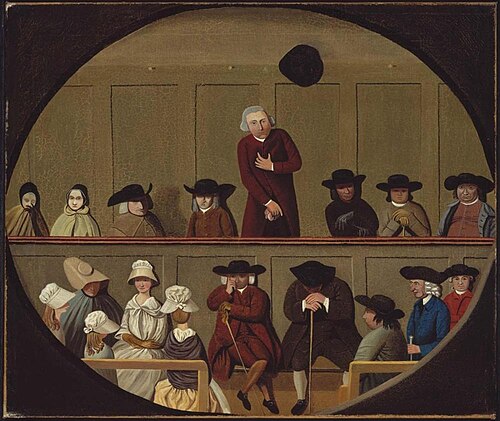
Painting of what a Quaker meeting would have looked like
This commitment did not mean inactivity. While they avoided combat, many Friends focused on humanitarian work—providing relief, shelter, and care to those affected by war regardless of allegiance. This underscored their belief that peace did not mean indifference. (USA History Timeline)
A small minority of Quakers who chose to support independence—even indirectly, by aiding Patriot forces or paying war taxes—were sometimes “read out of meeting,” a traditional form of expulsion for actions seen as incompatible with Quaker discipline. (Inquirer.com)
Legacy of the Burlington Friends
By the end of the Revolution, the Quaker community’s stance had left a complex legacy: respected by some for its moral integrity and criticized by others for a perceived lack of patriotism. Burlington’s Quakers remained committed to peace, yet they were part of a larger colonial story in which the struggle for liberty challenged every individual and group to define what freedom truly meant. (Wikipedia)
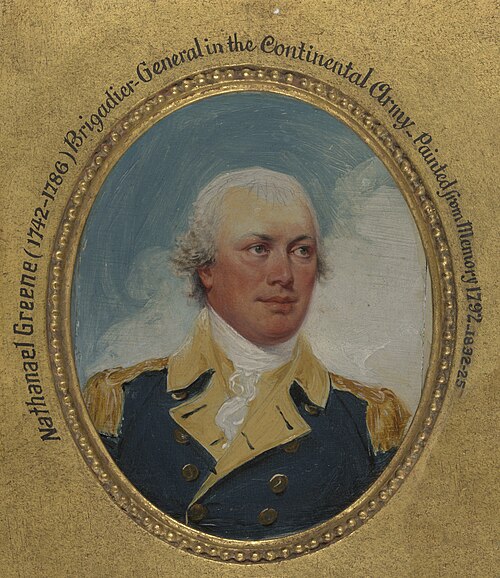
American General Nathanael Greene chose to support the American Revolution over Quaker pacifism.
Their choice—neither to pick up muskets nor to turn away from the ideals of a new nation—speaks to the enduring challenge many Americans faced: reconciling personal conviction with public upheaval.
Sources:
- Quakers in the American Revolution and their pacifist challenges. (Wikipedia)
- Philadelphia Yearly Meeting’s neutrality and Quaker discipline. (Inquirer.com)
- Burlington’s Quaker founding and meeting history. (Wikipedia)
- Quaker humanitarian initiatives during war. (USA History Timeline)